 英语站
英语站



How Does an RFID Pet Tag Help to Find Your Lost Dog?
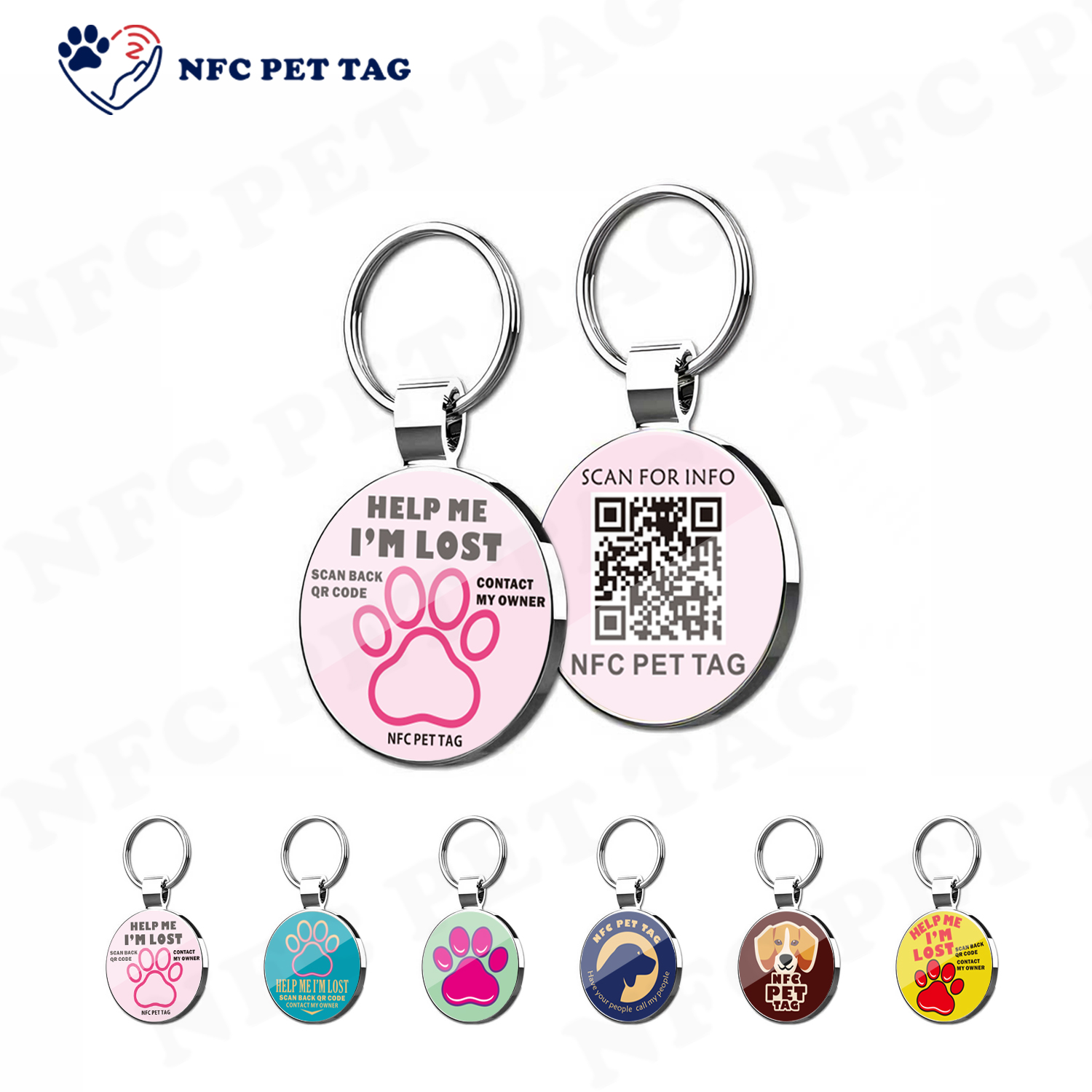
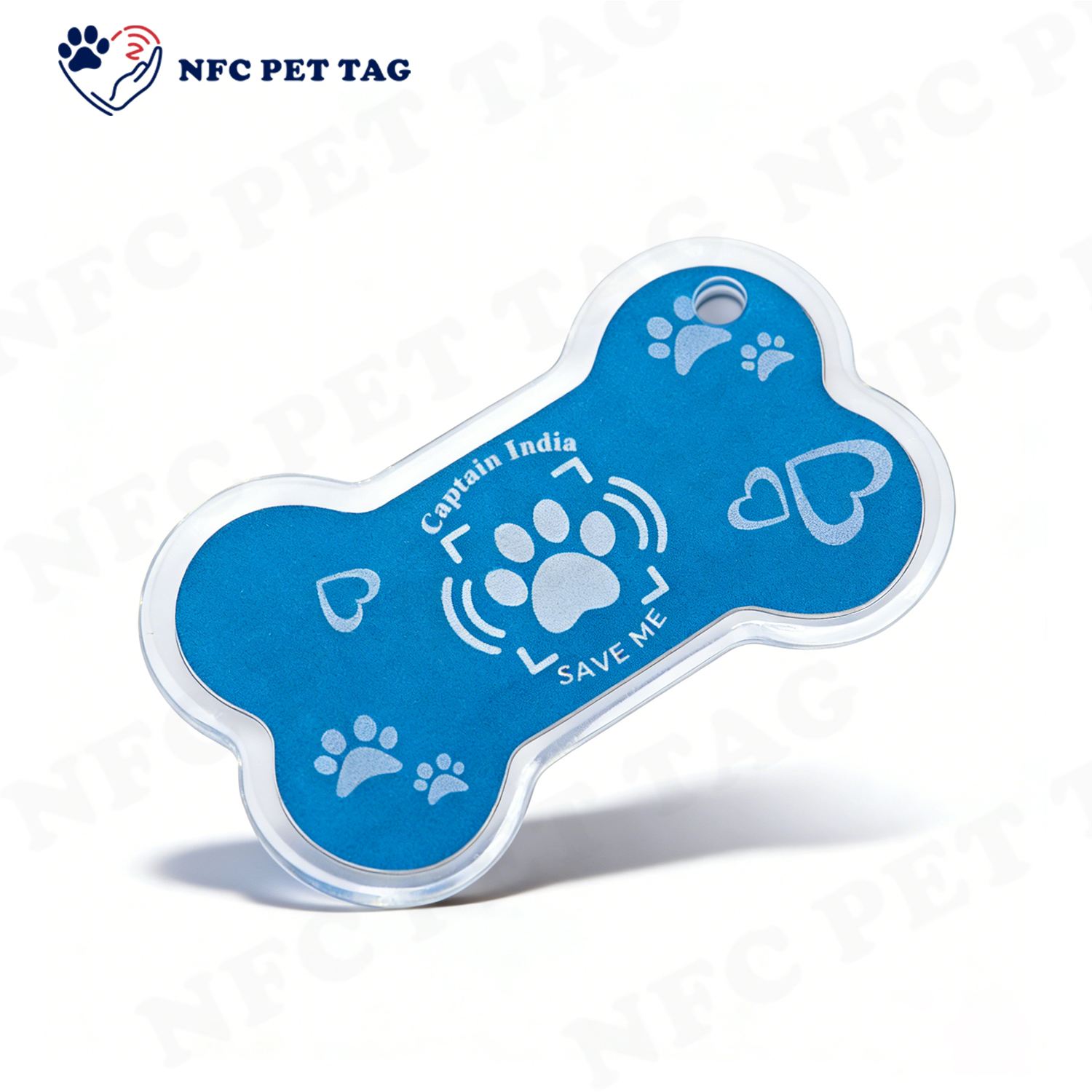
An RFID (Radio-Frequency Identification) pet tag is a small, electronic device that uses radio waves to store and transmit your pet’s identification information—offering a reliable, contactless way to reunite you with a lost dog. Unlike traditional engraved tags (which can wear out, fade, or be unreadable), RFID tags keep data secure and accessible, and their functionality relies on a simple, effective two-part system: the RFID tag on your dog and a RFID reader used by shelters, vet clinics, or even good Samaritans with compatible devices. Here’s a step-by-step breakdown of how it works to find your lost pup:
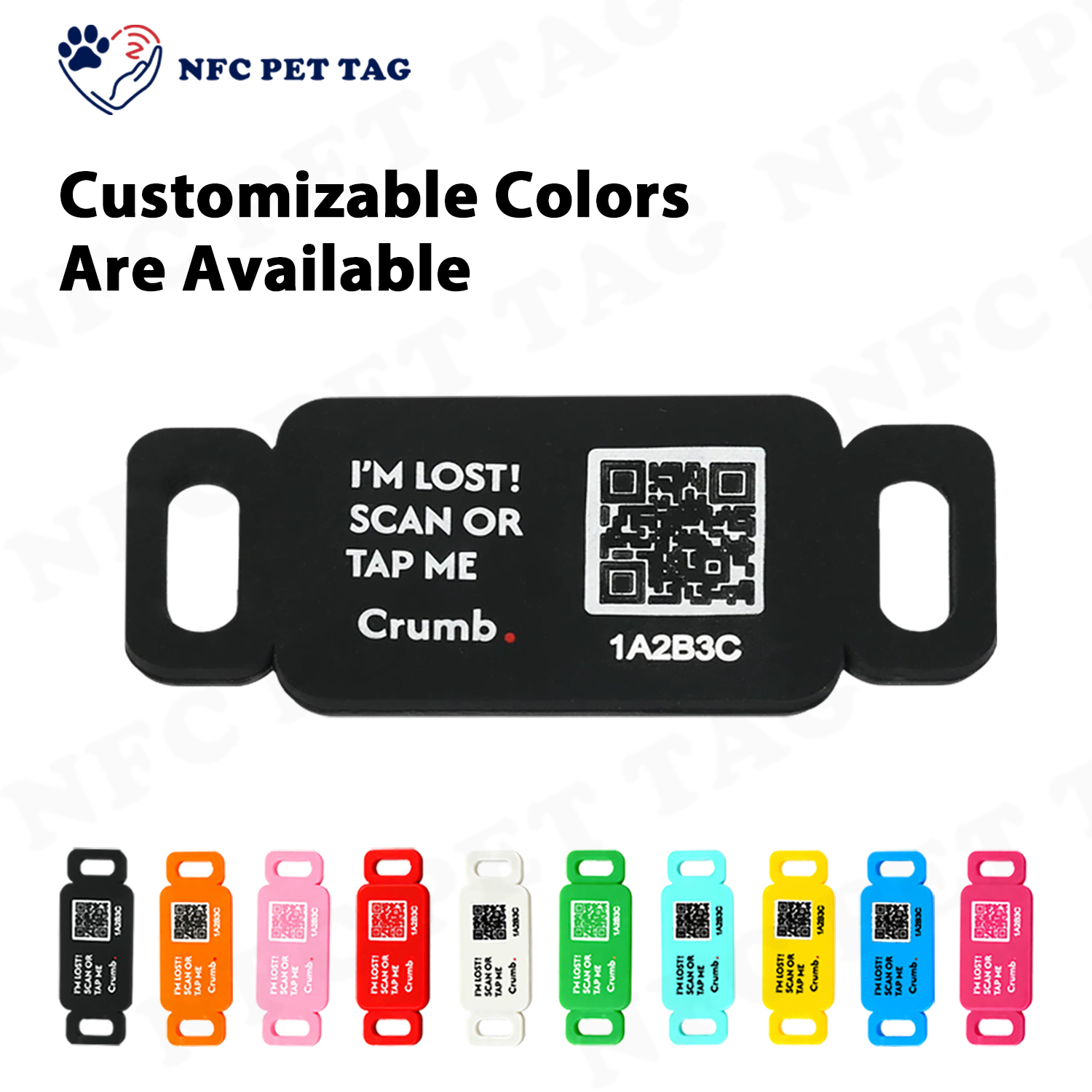
1. The RFID Tag Stores Critical Identification Data
Your dog’s name, breed, age, and microchip number (if they have one).
Your full name, phone number(s), email address, and physical address.
Optional details: emergency contact numbers, vet clinic information, or notes about your dog’s health (e.g., allergies, medications) or temperament (e.g., skittish, friendly).
This data is stored in a passive RFID chip (the most common type for pet tags) — it has no battery and only activates when a reader emits radio waves to power it, ensuring the tag lasts for years without maintenance.
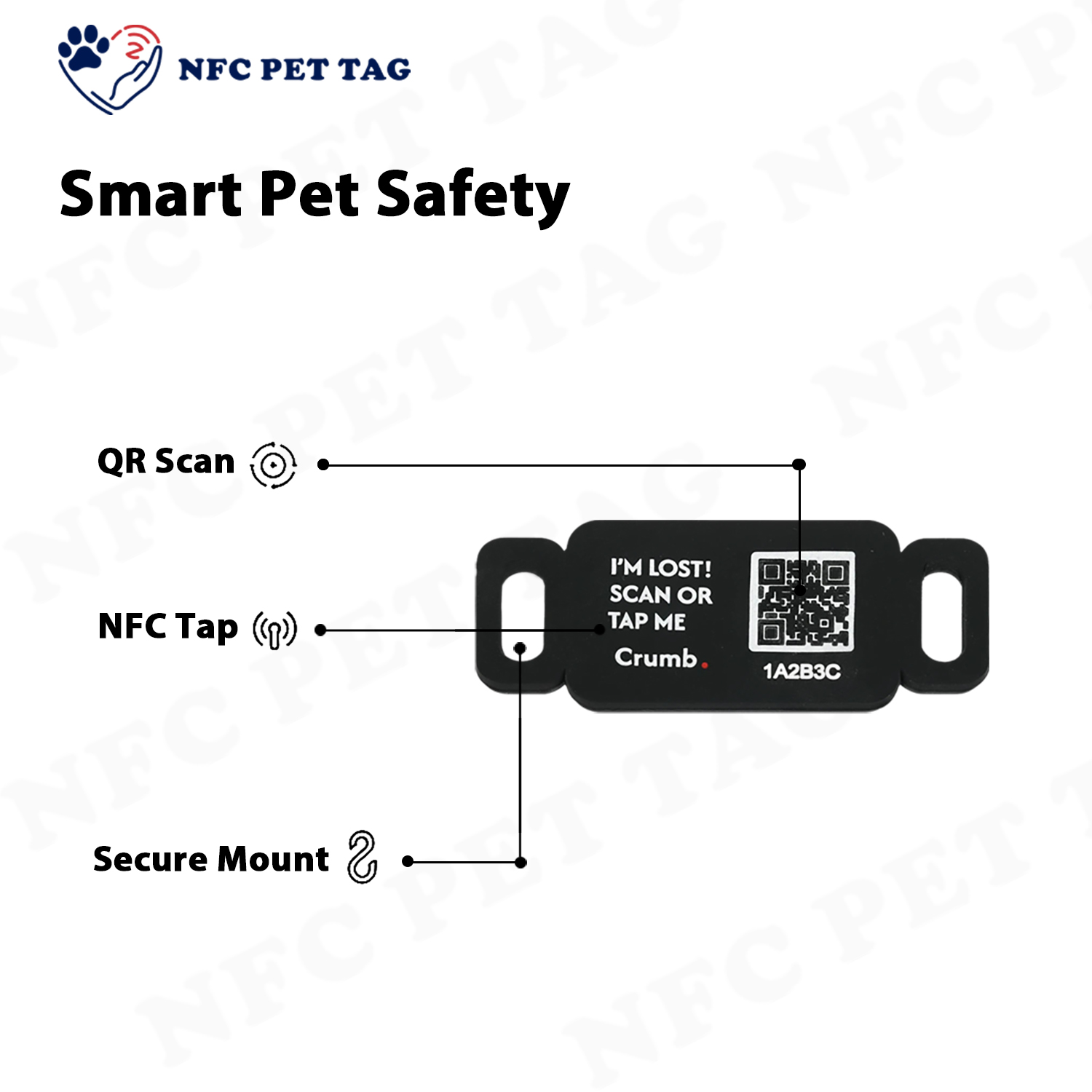 https://www.nfcpettag.com/index.php?c=show&id=11
2. When Your Dog Is Lost, a Reader Scans the Tag
The scanning process is quick and contactless: the reader sends out a low-frequency radio signal (usually 13.56 MHz for pet RFID tags, a standard frequency for compatibility) that reaches the tag within a short range (a few inches to a foot). This signal powers the tag’s chip, which then transmits the stored identification data back to the reader. The data instantly appears on the reader’s screen in a clear, easy-to-read format—no need to squint at faded engravings or decode tiny text.
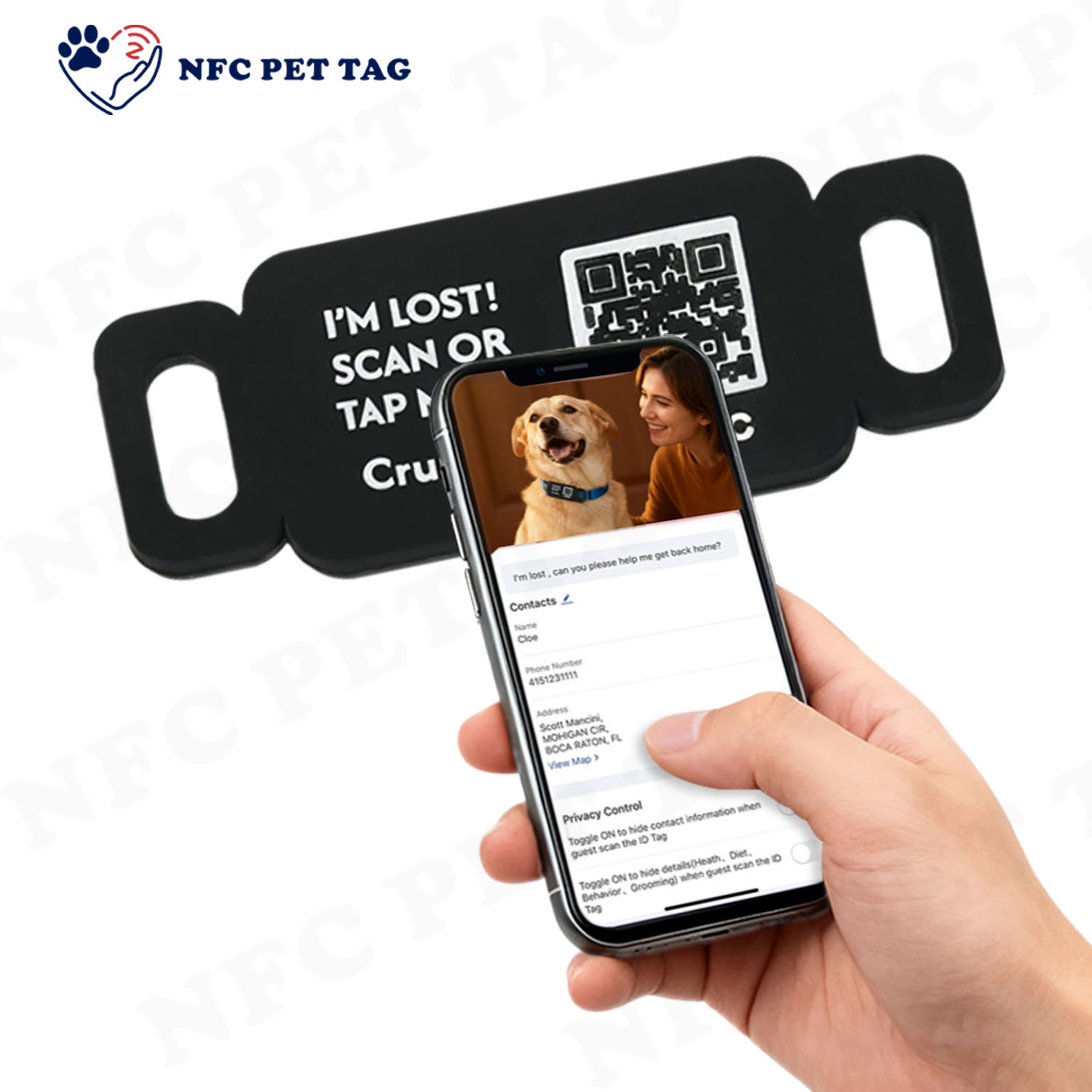 https://www.nfcpettag.com/index.php?c=show&id=18
3. The Finder Contacts You Using the Stored Information
For added security, many RFID pet tag providers also offer a web-based database linked to the tag’s unique ID. If the finder doesn’t have a handheld reader, they can often enter the tag’s ID number on the provider’s website to access your contact information (with your permission, ensuring your privacy is protected).
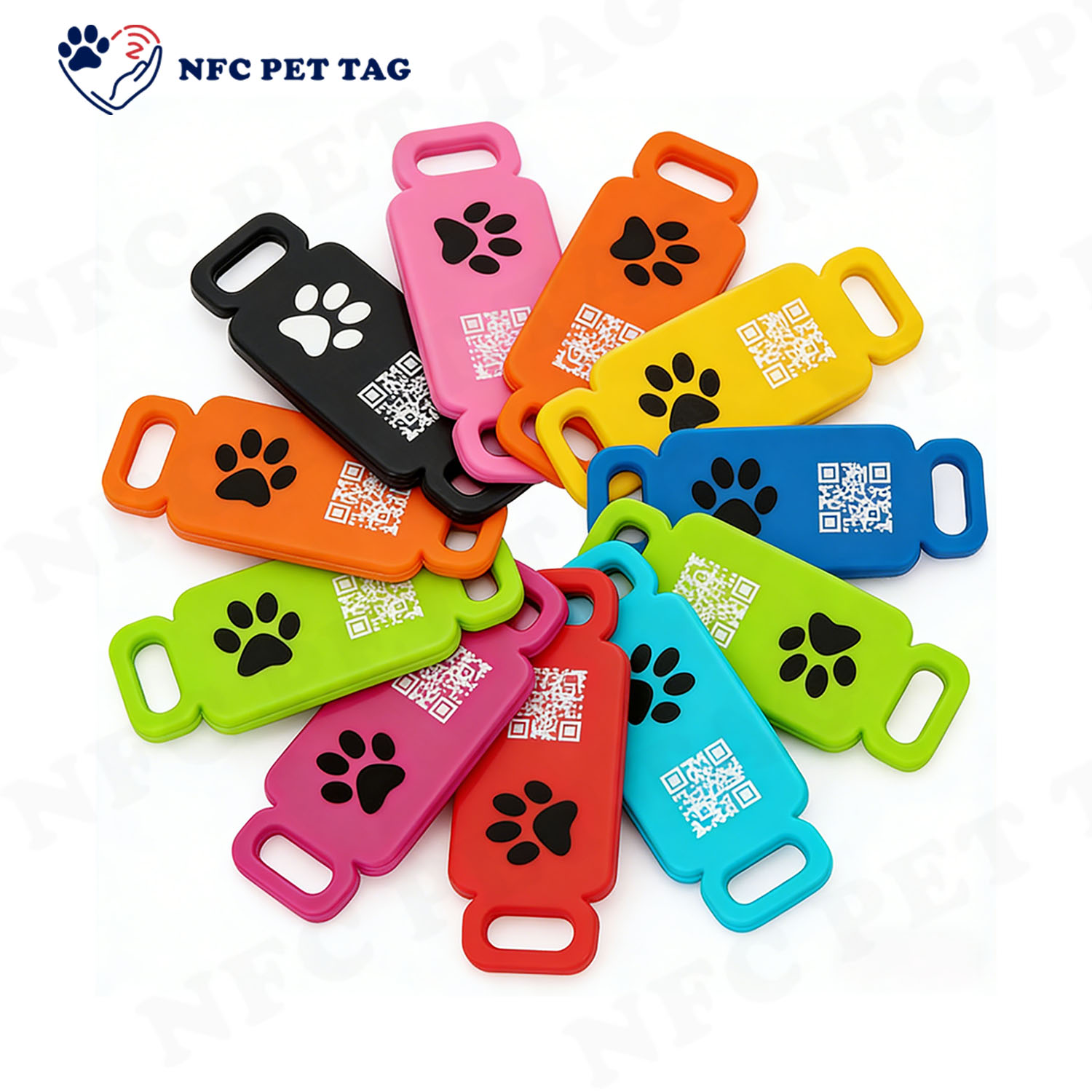
4. Complementary Benefits That Boost Recovery Chances
Works with microchips: A microchip is implanted under your dog’s skin and requires a vet/shelter scanner, while an RFID tag is on the collar and scannable by more people (e.g., a neighbor with a basic reader). Together, they create a "double layer" of identification.
No app or cell service required: Unlike GPS pet trackers (which need cellular service and a battery), RFID tags work anywhere—even in remote areas with no signal—because they rely on direct reader-to-tag communication.
Durable and tamper-resistant: Most RFID pet tags are made from tough materials (e.g., stainless steel, hard plastic) that resist scratching, bending, or water damage, so the data remains intact even if your dog is lost for days.
Key Limitation to Note (and How to Mitigate It)
RFID tags have a short read range (they can’t be scanned from miles away), so they won’t help you track your dog’s real-time location (that’s where GPS trackers shine). However, they excel at identification once your dog is found—which is the final, critical step in reunification. To maximize effectiveness, pair an RFID tag with a GPS tracker for location monitoring and a microchip for permanent, implanted identification.
Product List
New Products
-
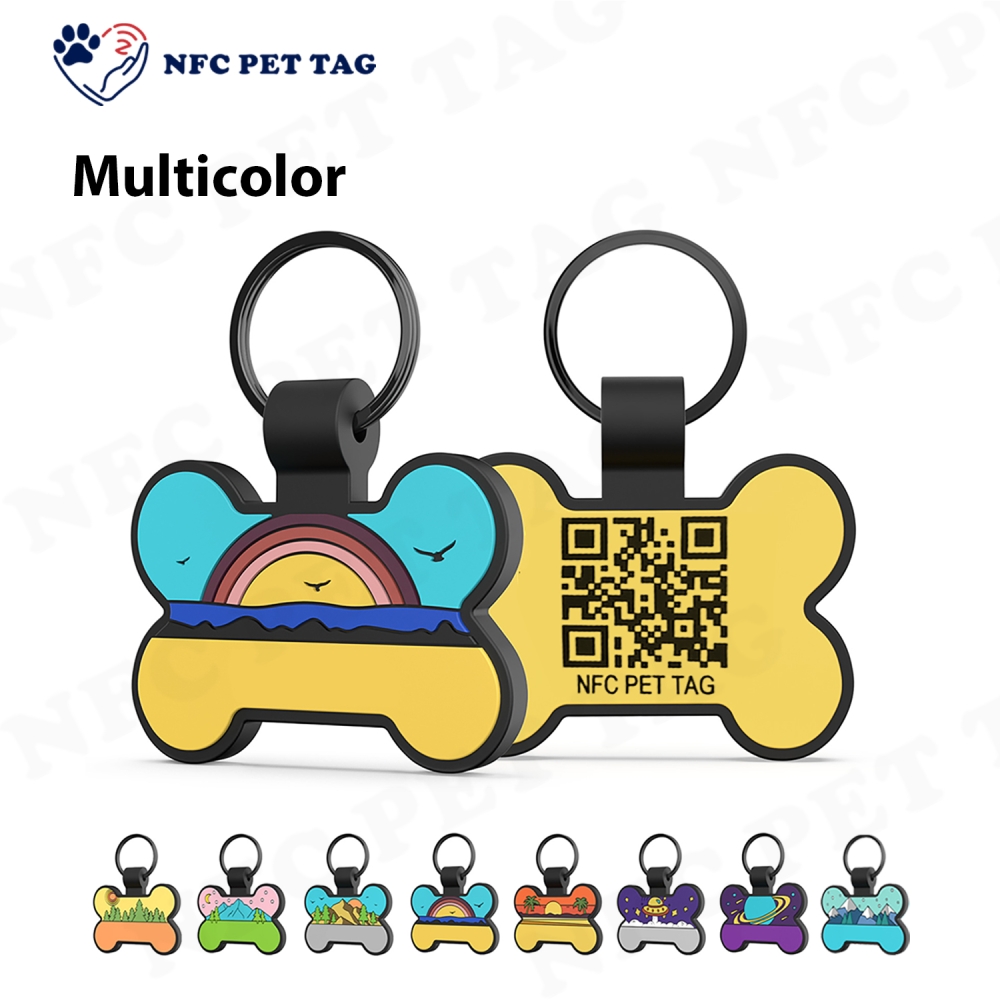
Customizable Silicone Pet Dog Tag New Mute Bone NFC Dog Cat Tag Read More
-
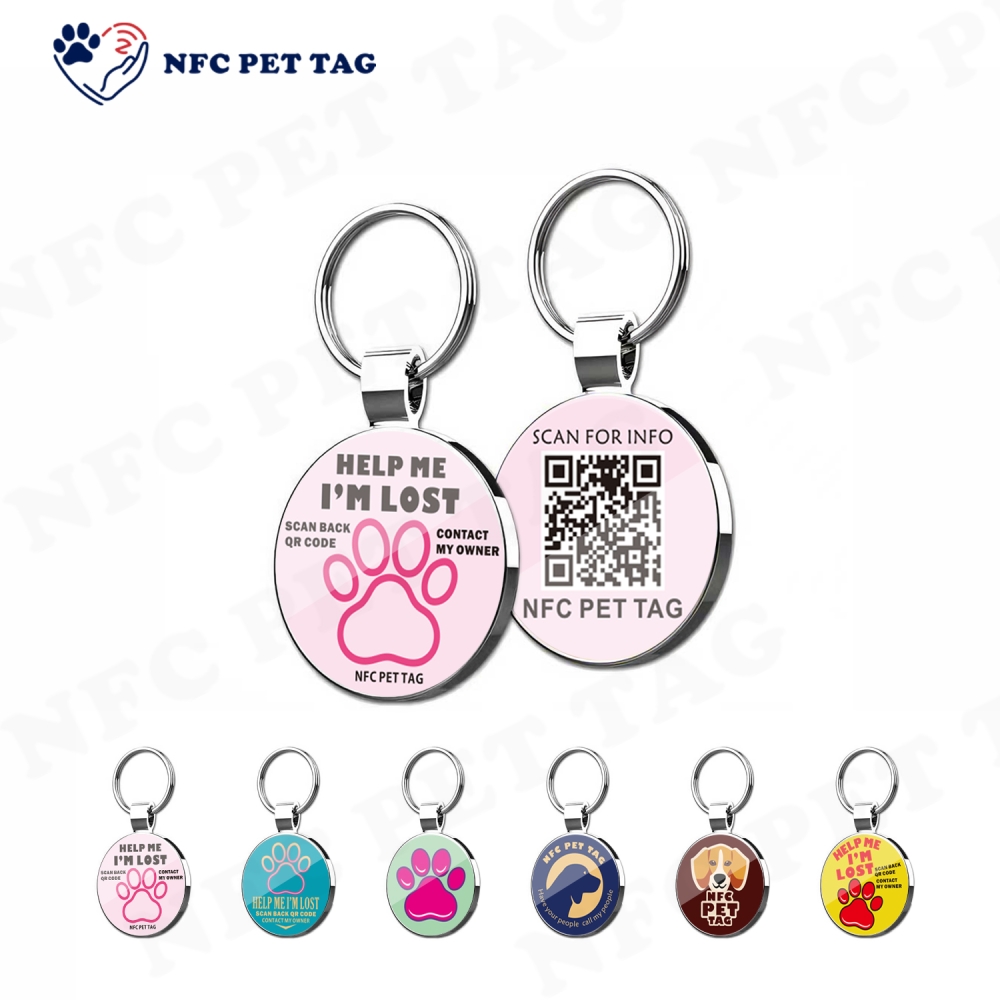
Scratch-Resistant Epoxy-Coated Metal NFC Zinc Alloy Pet Identification Tag Read More
-
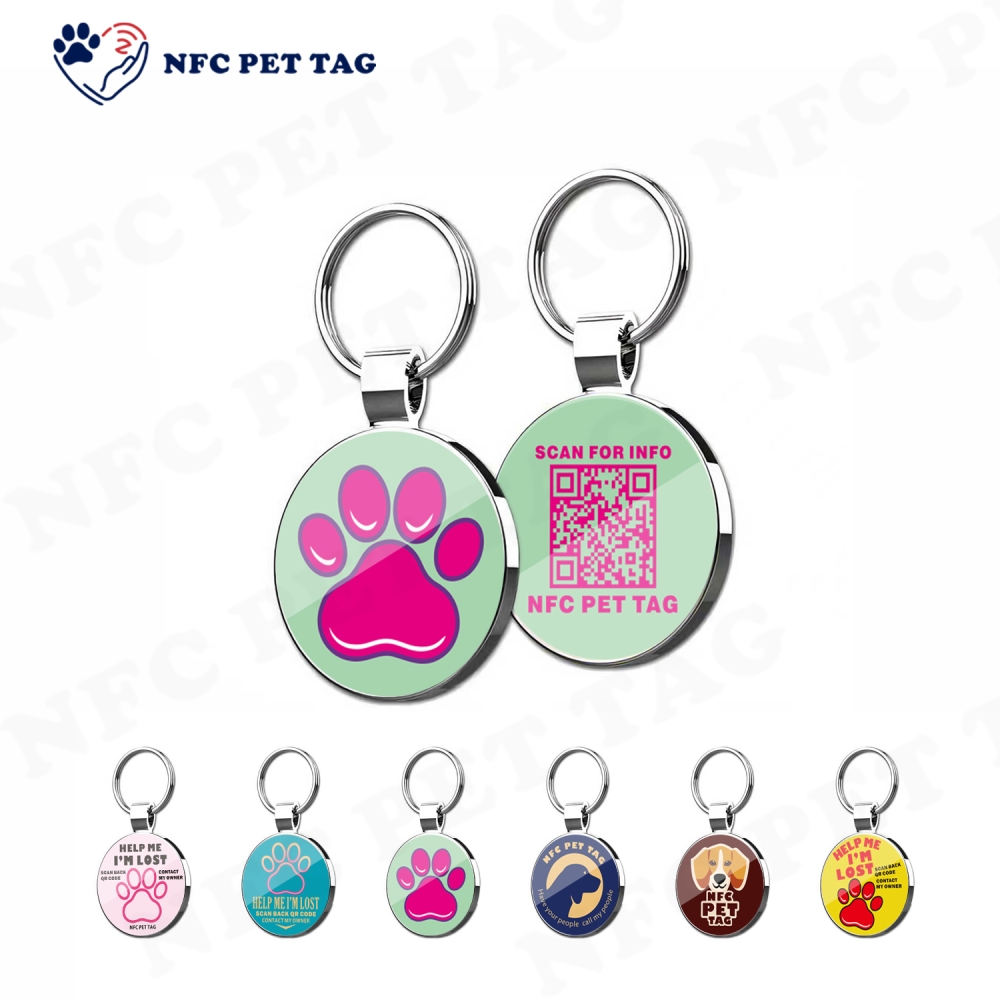
Multi-Functional Metal-Edged PVC Tag Pet Identification Hotel Room RFID Key Card Read More
-
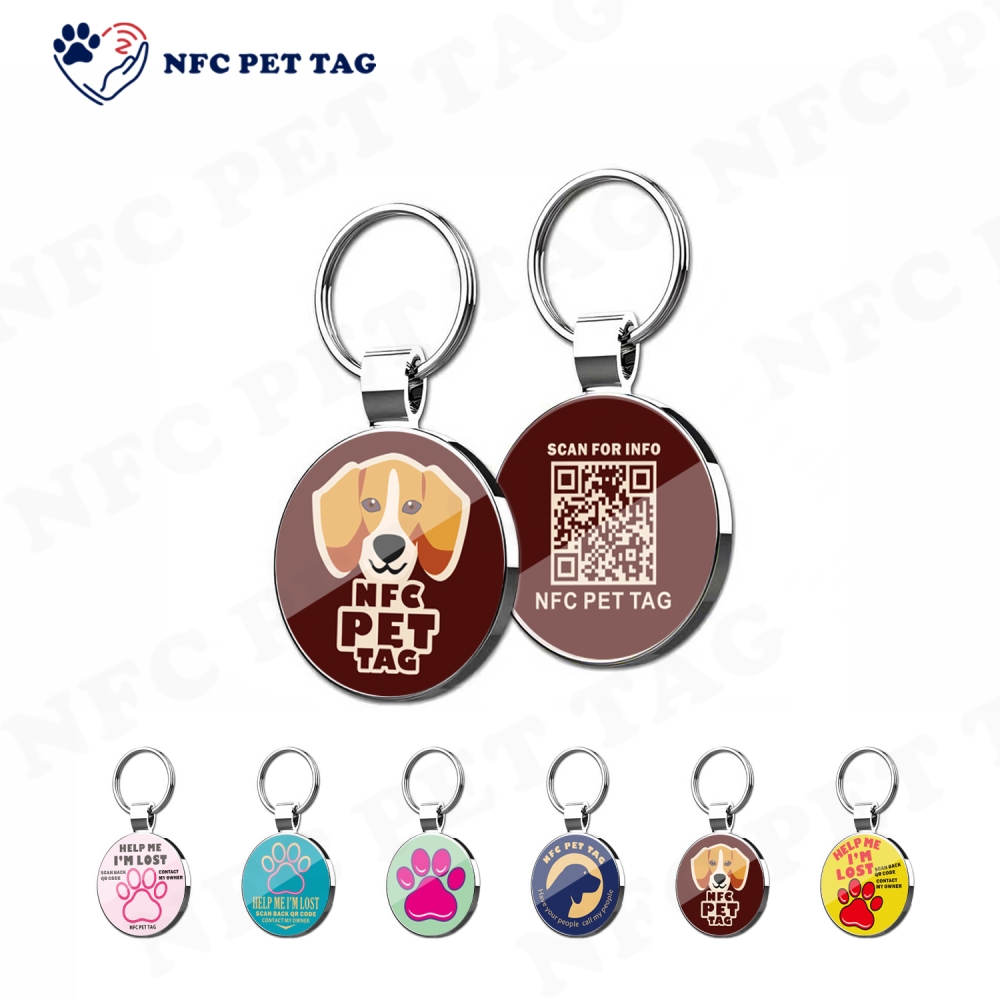
Encrypted NFC Hotel Access Key Card & Durable Metal Pet Collar ID Tag Read More
-
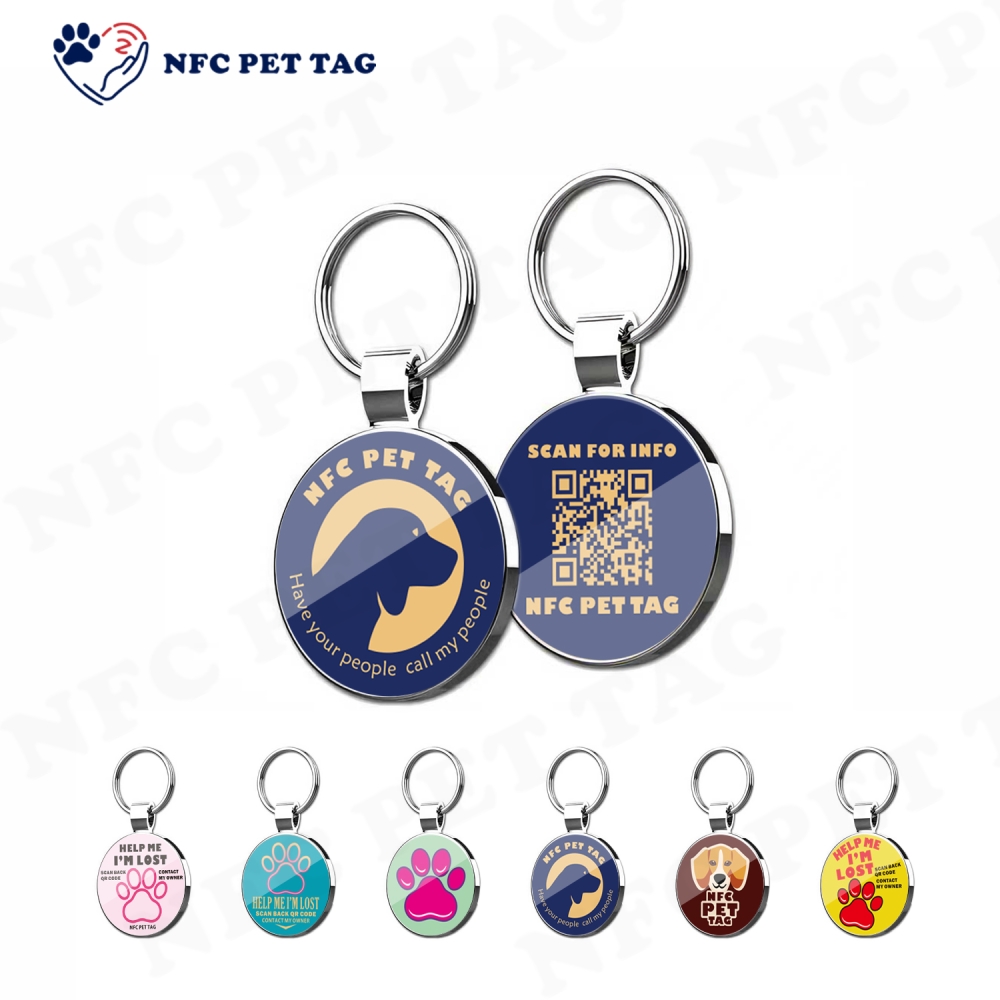
Security-First Encrypted NFC Hotel Key Card & Wear-Resistant Metal Pet Collar Tag Read More
-
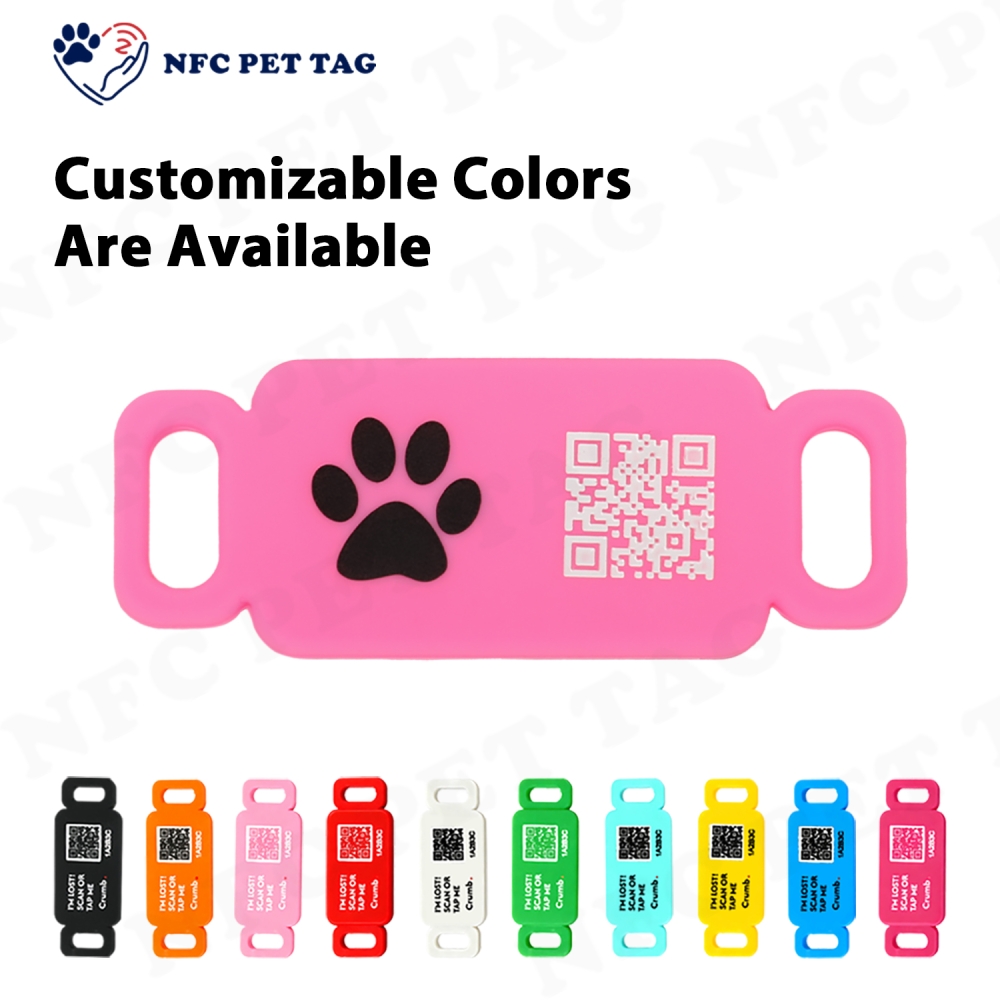
Customized Puppy Mini QR Pet Tag Wear-resistant Barcode NFC Dog Tag Read More
-
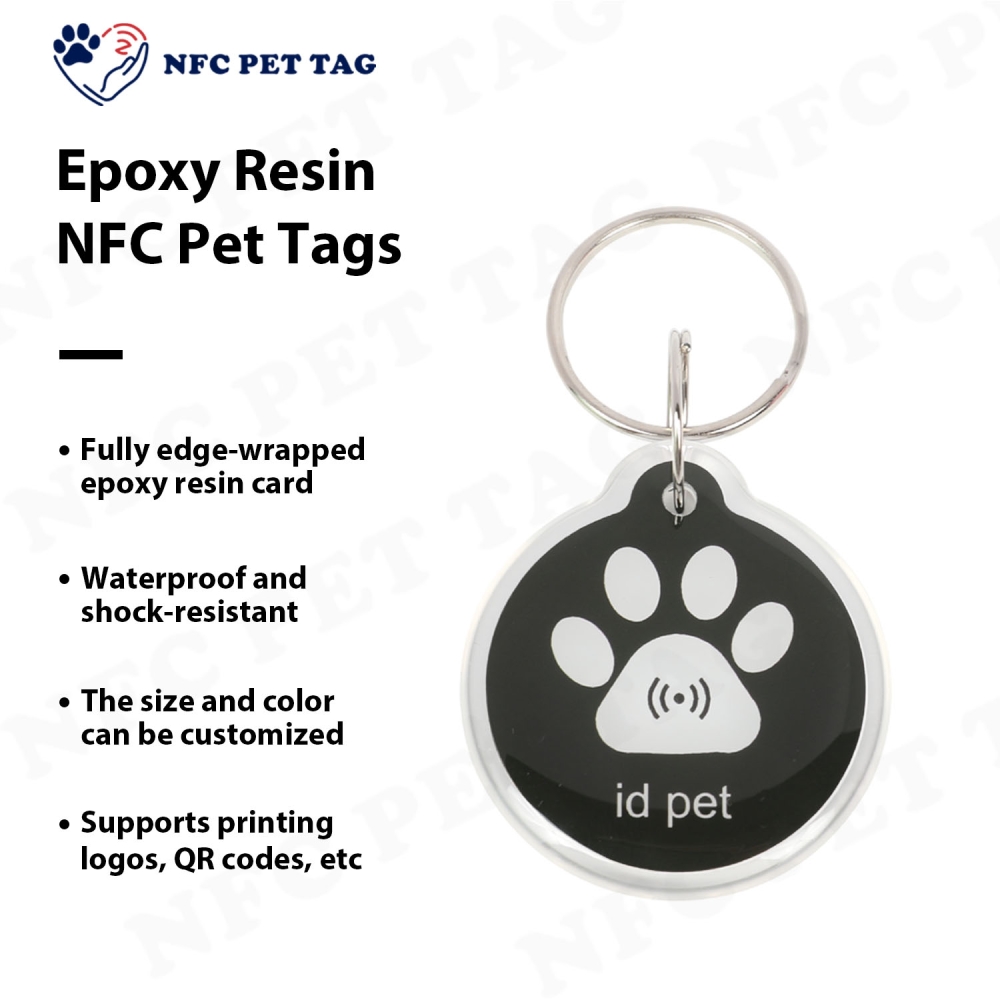
Custom Medical Alert Engraved Pet Safety Tag Durable RFID Epoxy Pet ID Tag Read More
-
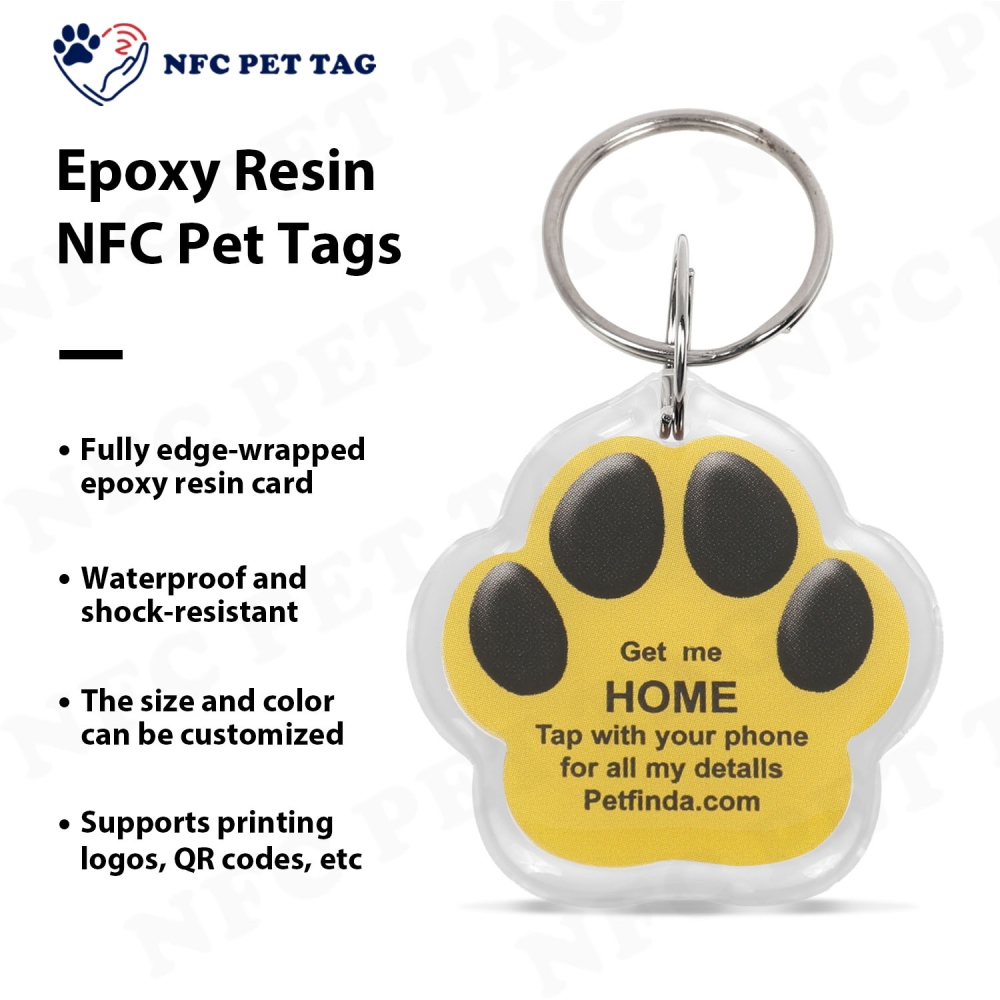
Waterproof Medical Alert Pet Safety Tag with Long-Lasting RFID Durable Epoxy Pet ID Tag Read More

